President Donald Trump delivered a clarion call to House Republicans this week, urging them to make election integrity the defining battle of their legislative agenda through aggressive pursuit of the newly-rebranded “SAVE America Act.” Speaking to GOP lawmakers at their strategic retreat, Trump emphasized that Republicans must “insist” on voter ID requirements while exposing Democrats’ indefensible opposition to basic election security measures.
The president’s strategic pivot transforms what Democrats have tried to frame as “voter suppression” into what it actually represents: constitutional governance and democratic legitimacy. By demanding that only American citizens participate in American elections, Trump is positioning Republicans on terrain where 80% of voters—including substantial majorities of independents and moderate Democrats—stand firmly behind common-sense election integrity.
“You should insist on voter ID,” Trump told the assembled House members, recognizing that this issue provides Republicans with rare political leverage in an increasingly polarized landscape. The SAVE America Act, building on previous voter ID legislation, would require states to verify citizenship before voter registration and mandate photo identification for all federal elections—measures so fundamentally reasonable that Democratic opposition appears corrupt rather than principled.
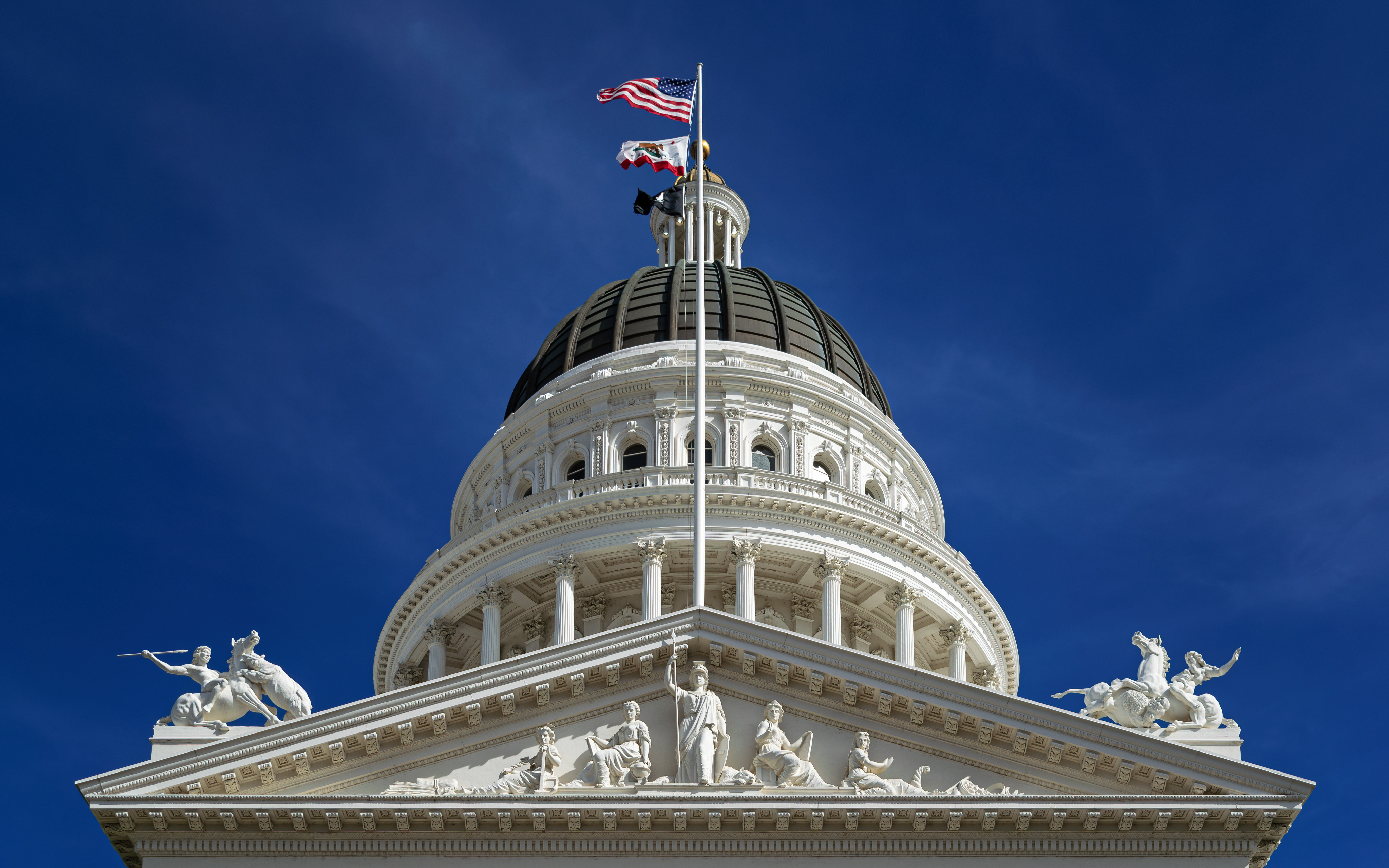
Trump’s California example proves particularly devastating to progressive narratives. The Golden State has criminalized even requesting voter ID, creating a system where asking for basic identity verification becomes a punishable offense. This radical position—treating election security as voter intimidation—exposes how far left-wing ideology has drifted from mainstream American values. While California Democrats prosecute poll workers for requesting identification, they simultaneously demand multiple forms of ID for everything from buying alcohol to entering government buildings.
The constitutional framework strongly supports Trump’s position. Article I, Section 4 grants states explicit authority to regulate federal elections, while the Fourteenth Amendment’s Equal Protection Clause ensures that legitimate voters receive maximum protection from electoral fraud. Voter ID requirements don’t suppress votes—they protect them by ensuring that every legal ballot counts and illegal votes don’t cancel out American citizens’ constitutional rights.
Economically, election integrity provides immeasurable value to American democracy. Fraudulent voting represents a form of theft—stealing political representation from legitimate citizens while artificially inflating the influence of those who shouldn’t participate in our electoral process. States implementing voter ID have seen increased voter confidence and participation, demonstrating that security measures enhance rather than diminish democratic engagement.
The political implications extend far beyond legislative maneuvering. Democrats facing reelection in purple districts will struggle to explain opposition to citizenship verification without appearing to endorse electoral fraud. Progressive activists may celebrate resistance to voter ID in deep-blue enclaves, but suburban moderates increasingly view election security as fundamental to governmental legitimacy.
Trump’s timing proves strategically brilliant. With unified Republican control providing legislative momentum, the SAVE America Act becomes a forcing mechanism that puts every Democrat on record before the 2026 midterms. Vulnerable senators from states Trump carried will face impossible choices: alienate their progressive base by supporting voter ID, or alienate mainstream constituents by opposing basic election security.
This election integrity offensive also reclaims the “democracy” narrative that Democrats have weaponized against conservative governance. True democracy requires that only eligible citizens participate in elections, that their identities are verified, and that illegal votes don’t cancel out legal ones. Republicans defending these principles stand as democracy’s true guardians, while Democrats opposing them reveal their comfort with electoral chaos.
The path forward demands sustained Republican unity behind Trump’s vision. House leadership should fast-track the SAVE America Act within the first 100 days, creating maximum pressure on Senate Democrats while demonstrating to American voters that Republicans prioritize electoral integrity over political convenience.
President Trump has identified winning terrain where constitutional principle, political advantage, and popular opinion converge. Republicans who embrace this election integrity mandate will find themselves defending democracy’s foundation while exposing their opponents’ fundamental disconnect from American values. The SAVE America Act represents more than legislation—it’s a declaration that American elections belong to American citizens, period.