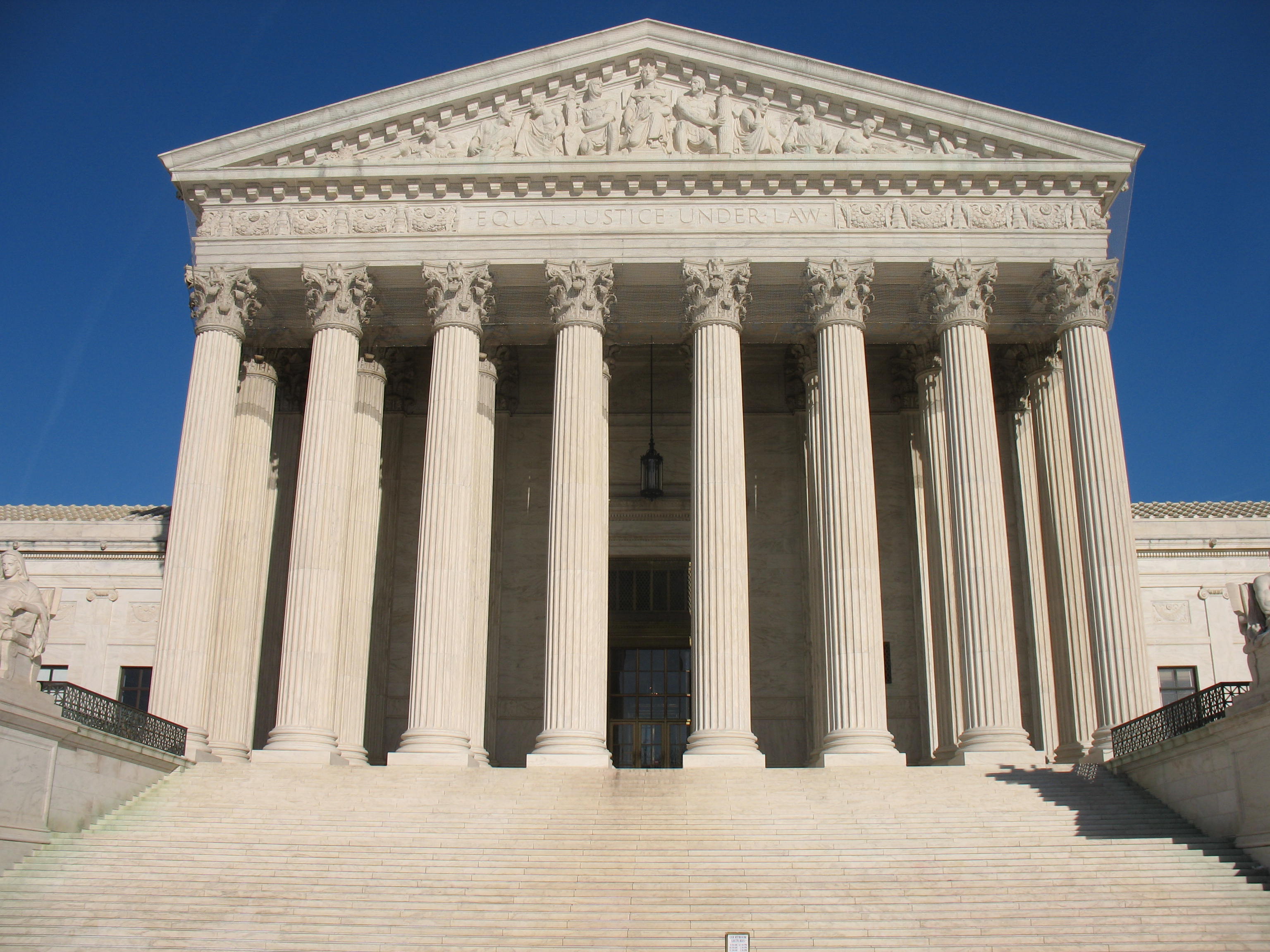
The Supreme Court is preparing to deliver what could be the most consequential immigration ruling in decades, as justices agreed to hear President Trump’s challenge to lower court decisions that have blocked his efforts to end so-called “temporary” protected status for hundreds of thousands of foreign nationals.
At stake is far more than immigration policy—this case will determine whether America’s elected president retains constitutional authority over our nation’s borders, or whether unelected federal judges can indefinitely override executive decisions to protect foreign nationals at the expense of American sovereignty.
The numbers tell a staggering story. More than 350,000 Haitian nationals and over 6,000 Syrians currently benefit from Temporary Protected Status programs that have become anything but temporary. What began as emergency humanitarian relief has morphed into permanent backdoor amnesty, with some beneficiaries remaining in the United States for over two decades under successive program renewals.
The constitutional crisis deepened when three separate Obama and Biden-appointed federal judges blocked Trump’s lawful attempts to terminate these programs, effectively claiming judicial authority over immigration decisions that the Constitution explicitly reserves to the executive branch. These unprecedented interventions have created a dangerous precedent where activist courts can override presidential immigration enforcement indefinitely.
The Biden administration’s weaponization of TPS reached absurd heights, expanding the program to cover over one million migrants—transforming what was designed as narrow emergency relief into mass immigration policy by judicial and administrative fiat. Countries like Venezuela, Afghanistan, and Ukraine were added to the list, while existing designations were extended far beyond any reasonable definition of “temporary.”
This systematic abuse of emergency immigration programs represents a fundamental betrayal of American workers and taxpayers. During a period of housing shortages, wage stagnation, and economic uncertainty for millions of Americans, our government has prioritized the interests of foreign nationals over its own citizens. The economic impact extends beyond direct job competition—TPS recipients gain access to work authorization, social services, and pathways to permanent residency that were never intended by Congress.
The Supreme Court’s decision to hear this case signals the conservative majority’s recognition that constitutional governance itself hangs in the balance. The Court has repeatedly demonstrated its commitment to restoring proper separation of powers, from striking down administrative overreach to defending executive authority in immigration matters. This case provides an opportunity to definitively establish that “temporary” means temporary, and that presidents possess the constitutional authority to make immigration decisions without judicial micromanagement.
Historical precedent strongly supports executive authority in this realm. From the Chinese Exclusion Acts to modern refugee policy, immigration decisions have traditionally fallen within presidential discretion, subject to congressional oversight rather than judicial second-guessing. The Founders deliberately placed immigration authority with elected officials who answer directly to the American people, not lifetime-appointed judges insulated from democratic accountability.
The broader implications extend well beyond TPS programs. A strong Supreme Court ruling would demolish the judicial obstruction playbook that has hamstrung immigration enforcement for decades, potentially clearing the path for comprehensive border security measures and merit-based immigration reform. It would signal that America’s immigration system serves American interests first, not the preferences of international advocacy groups and their judicial allies.
Patriots should watch oral arguments closely, as the justices’ questions will reveal their thinking on executive authority versus judicial activism. The conservative majority has shown consistent skepticism toward lower court attempts to micromanage presidential decisions, particularly in areas of national security and immigration where executive expertise and democratic accountability matter most.
This case represents more than legal technicalities—it’s about whether America controls its own destiny. A decisive victory would restore constitutional order, protect American workers, and establish clear precedent that temporary immigration programs cannot become permanent through judicial manipulation.
The stakes couldn’t be higher, but the opportunity for constitutional restoration has never been greater. America’s highest court is poised to remind lower courts that immigration policy belongs to the American people and their elected representatives, not activist judges pursuing globalist agendas from the bench.