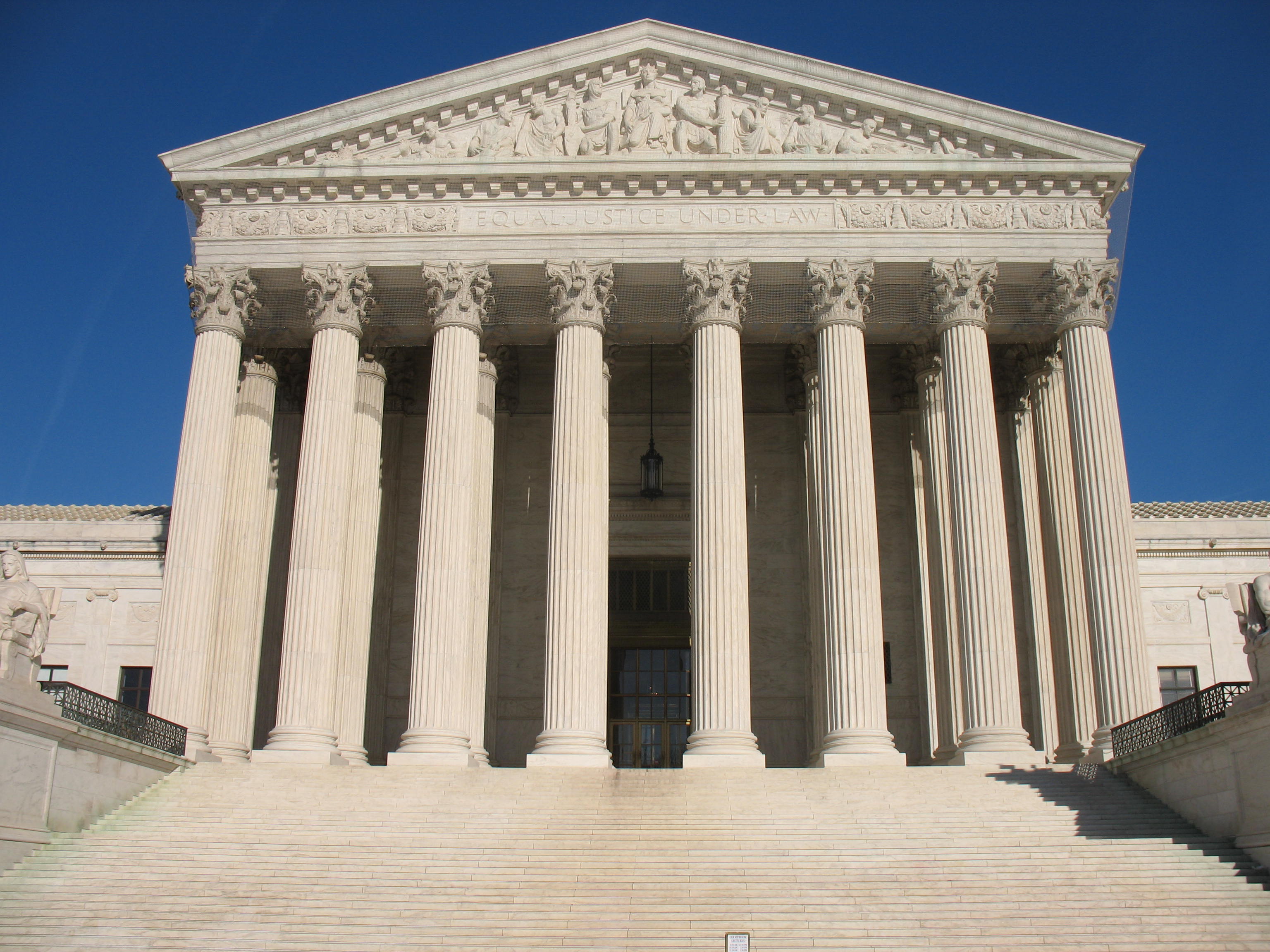
The Supreme Court is finally positioned to restore sanity to American elections by eliminating the confusing maze of post-Election Day ballot counting that has turned our once-decisive democratic process into weeks-long spectacles of uncertainty and suspicion.
At the heart of this constitutional moment lies Mississippi’s mail ballot grace period case, which could sweep away the patchwork system operating in 14 states where ballots continue trickling in long after Americans believe they’ve spoken. This isn’t just about election mechanics—it’s about restoring the fundamental American principle that Election Day means exactly that: one decisive day when our republic renders its verdict.
The numbers tell a staggering story of how far we’ve drifted from constitutional clarity. Washington state alone received 127,000 ballots after Election Day in 2024, effectively creating a secondary election that occurs in bureaucratic offices rather than voting booths. Multiply this across 14 states, and we’re looking at potentially hundreds of thousands of votes that arrive after the American people believe democracy has concluded for another cycle.
The Republican National Committee and Libertarian Party of Mississippi have built a compelling coalition around a simple constitutional principle: federal Election Day statutes envision a unified, national day of decision-making, not rolling tallies that stretch democratic uncertainty into administrative convenience. This bipartisan legal challenge demonstrates that election integrity transcends partisan politics—it’s about preserving the decisive nature of American democracy that once made us the envy of the world.
Consider the strategic implications of our current system. While foreign adversaries work overtime to sow doubt about American democratic legitimacy, we’ve inadvertently created the perfect conditions for that doubt to flourish. Extended counting periods, grace periods that vary by state, and ballots arriving days or weeks after Election Day naturally generate the kind of uncertainty that weakens confidence in our entire system.
The Founders designed American elections to be civic moments of national unity and decision—not bureaucratic processes that drag on indefinitely. When George Washington warned against anything that might “render the government more complex,” he could hardly have imagined a system where Americans go to bed on Election Day uncertain whether their democracy has actually concluded.
The constitutional framework here is crystal clear. Federal election law establishes Election Day as a specific date, not a suggestion or starting point for extended counting periods. State sovereignty is precious, but it cannot supersede the federal constitutional requirement for unified national elections that conclude with finality and confidence.
Military and overseas ballot exceptions, currently operating in 29 states, represent a different constitutional question entirely. These exceptions serve Americans who are defending our nation abroad or stationed where timely ballot return is genuinely impossible. The Court’s ruling will likely distinguish between exceptions that serve legitimate American interests versus those that simply accommodate bureaucratic convenience.
The economic implications extend far beyond election administration. Markets, businesses, and international partners all benefit from the stability that comes with decisive electoral outcomes. The current system of extended uncertainty creates exactly the kind of instability that weakens American credibility in an increasingly competitive global environment.
Patriots should watch the upcoming oral arguments for signals about how seriously this Court takes federal election law supremacy. The justices who understand constitutional originalism recognize that the Founders intended elections to strengthen democratic legitimacy, not create ongoing questions about when democracy actually speaks.
This case represents the beginning of a broader restoration of election integrity that could return American democracy to its rightful place as the world’s gold standard. Swift, decisive, and unquestionably legitimate elections aren’t just constitutional requirements—they’re demonstrations of American democratic strength that resonate far beyond our borders.
The Supreme Court now has the opportunity to restore the decisive nature of American elections, ensuring that when Americans vote, the world knows exactly when our democracy has spoken with finality and authority.