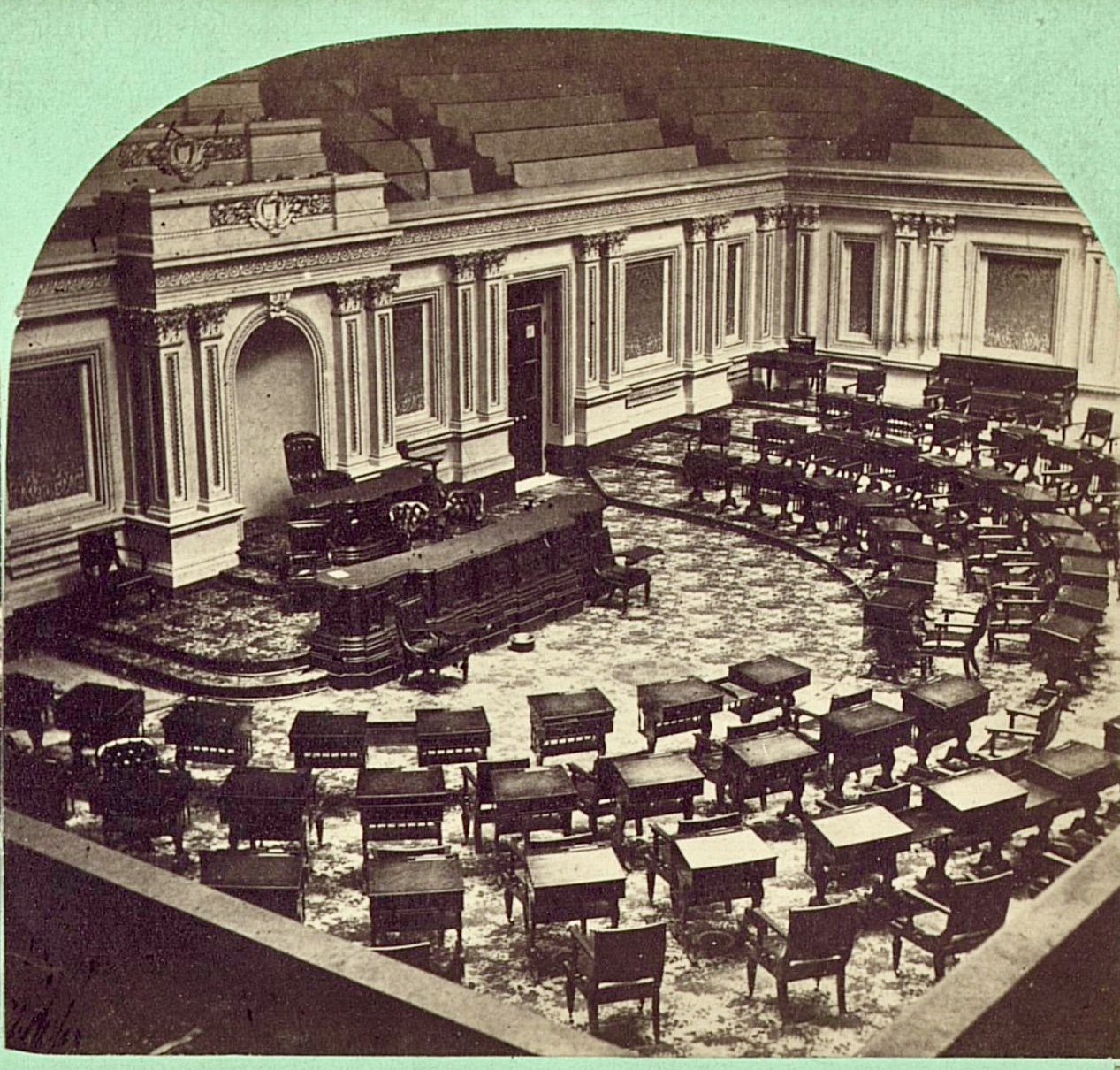
The Senate’s decision to fund most Department of Homeland Security operations while deliberately excluding ICE has inadvertently handed America First conservatives a political gift wrapped in legislative maneuvering. What Democrats intended as obstruction has instead become a masterclass in exposing their fundamental dishonesty on border security.
By approving partial DHS funding while blocking immigration enforcement agencies, Senate Democrats have painted themselves into an impossible corner. They can no longer claim to support border security while simultaneously defunding the very agencies responsible for protecting American communities from criminal aliens and drug cartels.
The strategic brilliance of this moment cannot be overstated. While Chuck Schumer resorts to inflammatory rhetoric—calling ICE agents a “rogue and deadly militia”—Republicans maintain operational high ground through existing appropriations that keep enforcement running at full capacity. The $140 billion “Big Beautiful Bill” ensures that deportation operations continue uninterrupted, making Democrat grandstanding nothing more than political theater.
Senator John Thune’s confirmation of a “good possibility” for a second reconciliation bill reveals the deeper chess game at play. This 51-vote pathway would completely bypass Democrat obstruction, allowing Republicans to supercharge deportation funding without requiring a single progressive vote. It’s constitutional governance at its finest—using legitimate legislative tools to advance the will of the American people.
The two-week congressional recess provides perfect timing for House Republicans to strengthen their negotiating position. Rather than rushing into hasty compromises, conservative leadership is demonstrating the kind of strategic patience that wins long-term victories for American sovereignty. This approach honors the constitutional principle that the House controls the purse strings while maintaining operational flexibility.
What makes this development particularly satisfying is how it exposes the globalist elite’s complete disconnect from working-class Americans. While Democrats play procedural games in Washington, ICE agents continue removing dangerous criminals from American neighborhoods. Border Patrol officers keep intercepting fentanyl shipments that would otherwise devastate American families. The contrast between constitutional governance and progressive obstruction couldn’t be clearer.
The economic implications extend far beyond immediate funding concerns. By maintaining immigration enforcement while forcing Democrats to publicly oppose it, Republicans are protecting American workers from wage suppression and job displacement. Every successful deportation operation represents economic opportunity returned to legal American workers—a principle the founding fathers would have understood instinctively.
Senator Eric Schmitt’s promise that “what’s coming next will supercharge deportations” signals coordinated planning that transforms apparent legislative compromise into strategic advantage. This isn’t the chaotic governance that mainstream media predicted, but rather sophisticated understanding of how constitutional authority works in practice.
The historical parallel is striking. Ronald Reagan faced similar congressional obstruction during his presidency, yet consistently found ways to advance conservative principles through creative use of executive authority and legislative strategy. Today’s America First movement is applying those same lessons with remarkable effectiveness.
Patriots should recognize this moment for what it truly represents: proof that principled conservative governance can deliver results even through divided government. The key lies in maintaining operational capacity while forcing opponents into politically untenable positions. Democrats must now explain to voters why they support homeland security in theory but oppose immigration enforcement in practice.
Looking ahead, this framework establishes the template for advancing America First priorities across multiple policy areas. By combining constitutional authority with strategic patience, conservative leaders are demonstrating that effective governance doesn’t require compromising core principles.
The coming weeks will reveal whether House Republicans can capitalize on this tactical advantage. Early indications suggest they understand the stakes and the opportunity. For American patriots who voted for secure borders and constitutional governance, this legislative chess match proves that persistent pressure and strategic thinking can overcome even the most determined globalist obstruction.
America First isn’t just winning—it’s reshaping how Washington operates entirely.