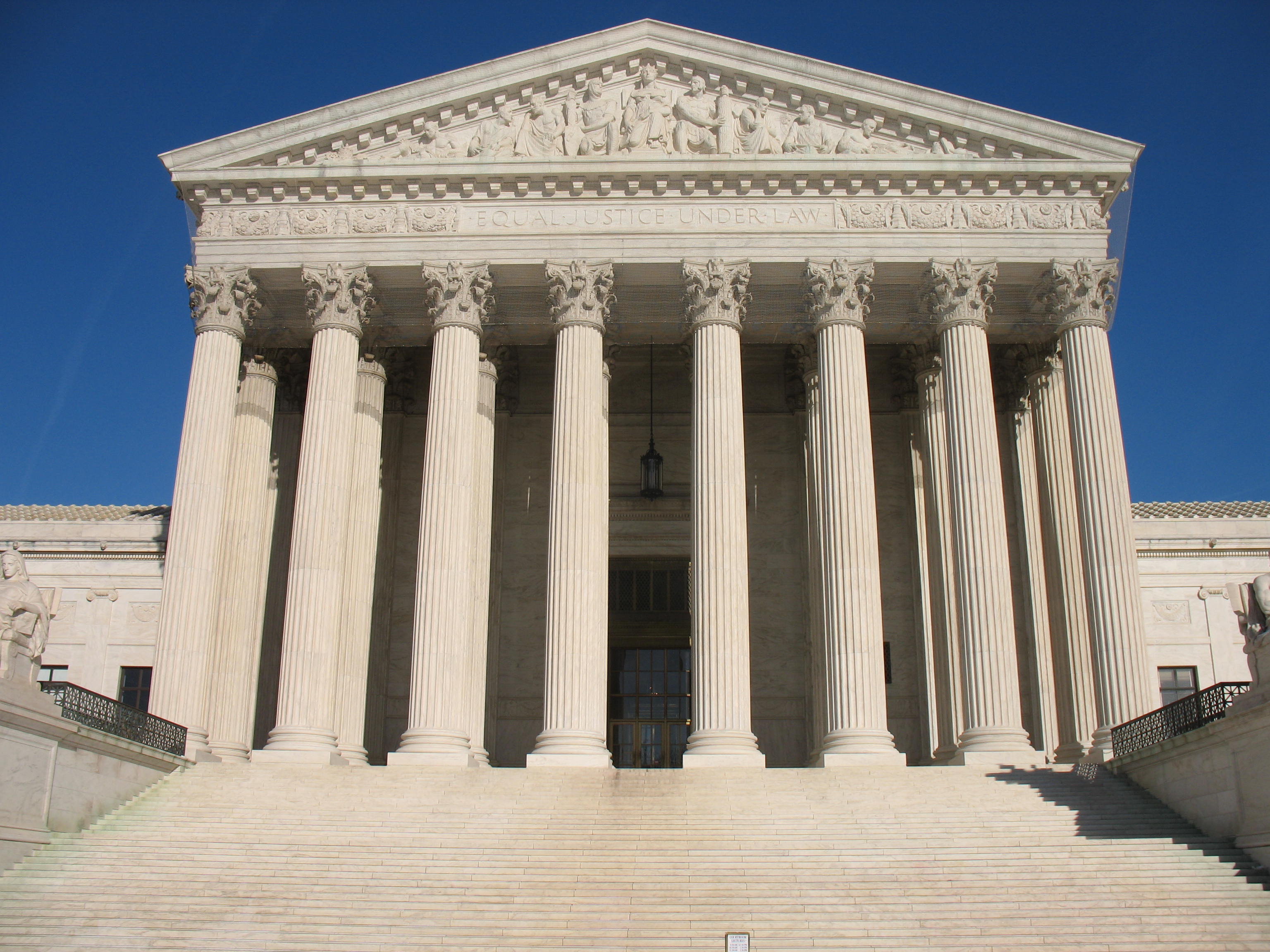
The Supreme Court’s refusal to grant an emergency stay in the Trump administration’s immigration judges case has handed a temporary victory to the administrative state’s latest power grab—one that threatens to transform immigration enforcement from a constitutional executive function into an unaccountable judicial fiefdom.
At stake is nothing less than America’s ability to control its own borders through elected leadership rather than lifetime bureaucrats.
The case centers on immigration judges who, despite being Department of Justice employees serving at the Attorney General’s pleasure, are claiming First Amendment protections that would essentially grant them tenure-like independence from presidential oversight. It’s a constitutional sleight of hand that would have made the Founders reach for their muskets.
These aren’t Article III judges with constitutional independence—they’re executive branch employees whose job is to faithfully implement the immigration laws passed by Congress and enforced by the President. Yet the National Association of Immigration Judges wants to have it both ways: the authority of judges with the job security of Supreme Court justices.
The administration rightly recognized this gambit as an existential threat to presidential authority. If immigration judges can claim independence from executive oversight, what’s to stop EPA bureaucrats from declaring themselves immune to policy changes? Or State Department officials from conducting their own foreign policy? The precedent would gut the unitary executive principle that keeps our government accountable to voters rather than permanent Washington.
This judicial activism comes at a time when America desperately needs coherent immigration enforcement. Border encounters remain elevated, human trafficking networks continue exploiting legal loopholes, and American communities bear the costs of a system that prioritizes bureaucratic convenience over national sovereignty. Granting immigration judges quasi-independence would make coordinated enforcement nearly impossible, creating 500+ individual fiefdoms where each judge operates by their own rules.
The deeper game here reveals the administrative state’s sophisticated resistance strategy. Unable to block Trump’s policies through traditional channels, the permanent bureaucracy has weaponized civil rights law to shield itself from democratic accountability. They’re essentially arguing that doing their jobs—following lawful directives from elected leadership—violates their constitutional rights.
It’s worth remembering that these same immigration judges operated under clear executive guidance for decades without claiming constitutional injuries. The sudden discovery of First Amendment rights coincides suspiciously with an administration actually committed to enforcing immigration law rather than rubber-stamping the open borders agenda.
The Supreme Court’s procedural caution, while frustrating, isn’t necessarily defeat. The justices may simply prefer to let this constitutional question percolate through lower courts before weighing in definitively. That approach has merit when the stakes involve fundamental separation of powers principles that will outlast any single administration.
What’s encouraging is how clearly this case illuminates the battlefield. The administrative state has shown its hand, revealing the legal theories it will use to resist accountability across the federal government. Trump’s legal team now has valuable intelligence about the enemy’s tactics and can prepare comprehensive responses that address not just immigration judges but the broader principle of executive authority.
For patriots watching this unfold, the message is clear: draining the swamp requires more than changing policies—it demands dismantling the legal infrastructure that insulates bureaucrats from democratic oversight. This case is a preview of the constitutional battles ahead as America works to restore government of, by, and for the people rather than the permanent administrative class.
The fight for immigration enforcement accountability continues, and temporary setbacks often precede decisive victories. America’s founders designed our system to ultimately serve the people’s will, not bureaucratic convenience. That principle will prevail, but only if patriots remain engaged in holding both courts and bureaucrats accountable to constitutional governance.
The deep state may have won this round, but the war for American sovereignty is far from over.