The numbers don’t lie, and they’re devastating for the election chaos lobby. A bombshell new survey from the Honest Elections Project reveals that an overwhelming 83% of likely voters believe ballots should be received by Election Day—not days or weeks later when convenient for political operatives. Even more striking, this isn’t a partisan issue: 93% of Republicans, 83% of independents, and 74% of Democrats agree that elections should actually end on Election Day.
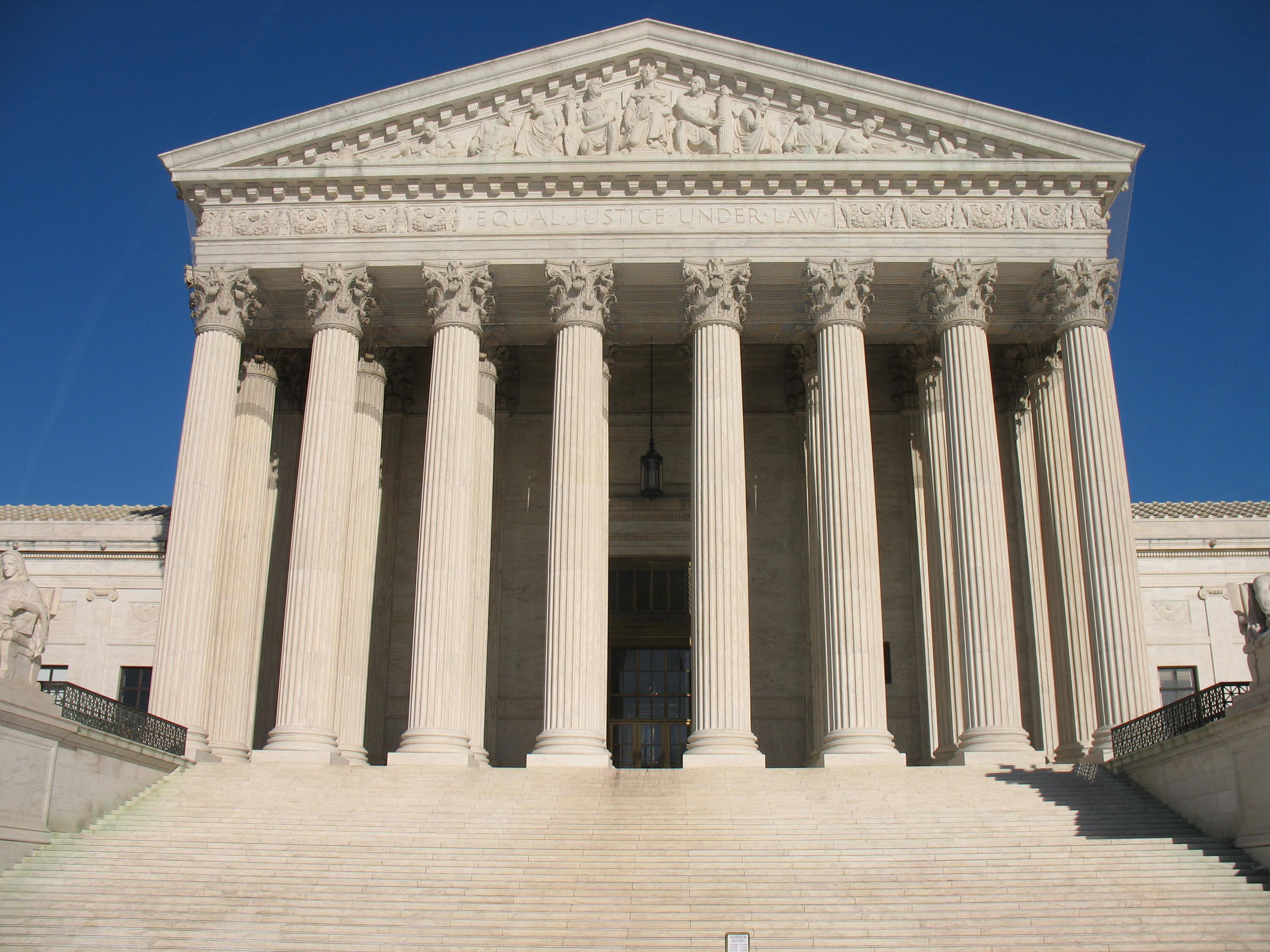
This groundswell of American common sense arrives at a pivotal moment as the Supreme Court weighs arguments that could fundamentally restore constitutional order to our electoral system. The Republican National Committee’s strategic legal challenge strikes at the heart of a problem that has undermined confidence in American democracy: states that ignore federal law by counting ballots received after Election Day, turning what should be a decisive democratic moment into weeks of uncertainty and suspicion.
The constitutional framework here is crystal clear. Federal statute establishes Election Day as a single, uniform day across the nation—not Election Month or Election Season. When states allow ballots to trickle in for days after polls close, they’re not just violating federal law; they’re creating the perfect conditions for the kind of chaos that makes Americans question the integrity of their most fundamental democratic right.
Consider the economic implications of this manufactured uncertainty. Markets hate ambiguity, and businesses need stable governance to plan and invest. When election results can flip days after apparent victory margins are established, it creates exactly the kind of institutional instability that undermines economic confidence. The survey found that 59% of voters distrust results when counting drags on—and they’re absolutely right to feel that way.
The fraud prevention angle cannot be ignored. Sixty percent of voters recognize that extended counting periods facilitate cheating, and their instincts align perfectly with basic security principles. Every additional day that ballots can be “found” or “cured” creates another opportunity for manipulation. It’s the same reason we don’t allow people to submit tax returns months after the deadline and expect them to count—deadlines matter, and they exist for good reason.
What makes this Supreme Court case so strategically brilliant is its timing and positioning. Rather than appearing to make a partisan intervention, the Court can now act with a clear popular mandate spanning party lines. This isn’t about helping one side or another; it’s about restoring the constitutional principle that elections should be decided by voters, not by administrative bureaucrats with flexible deadlines.
The contrast with our international competitors is telling. While America has spent recent election cycles mired in weeks of uncertainty and recrimination, nations like France and the United Kingdom deliver clear, decisive results on election night. They understand what we seem to have forgotten: democracy requires finality, and finality requires firm deadlines that everyone respects.
For patriots watching this case, the implications extend far beyond any single election cycle. A favorable Supreme Court ruling could trigger nationwide reforms that restore Election Day finality as the constitutional standard, creating durable precedent that protects American democracy for generations. States would be compelled to align their practices with federal law and common sense, ending the era of indefinite ballot harvesting that has poisoned public trust.
The legal arguments favor constitutional order. The public overwhelmingly demands it. The economic benefits are clear. And the democratic legitimacy of our entire system depends on it.
This represents a generational opportunity to anchor election integrity principles in constitutional bedrock. When 83% of Americans agree on anything in our polarized era, political leaders ignore that consensus at their own peril. The Supreme Court has the chance to restore not just legal clarity, but public confidence in the democratic institutions that make American prosperity possible.
The Constitution got it right the first time: elections happen on Election Day, not Election Month. It’s time our laws caught up with both constitutional text and overwhelming public demand.