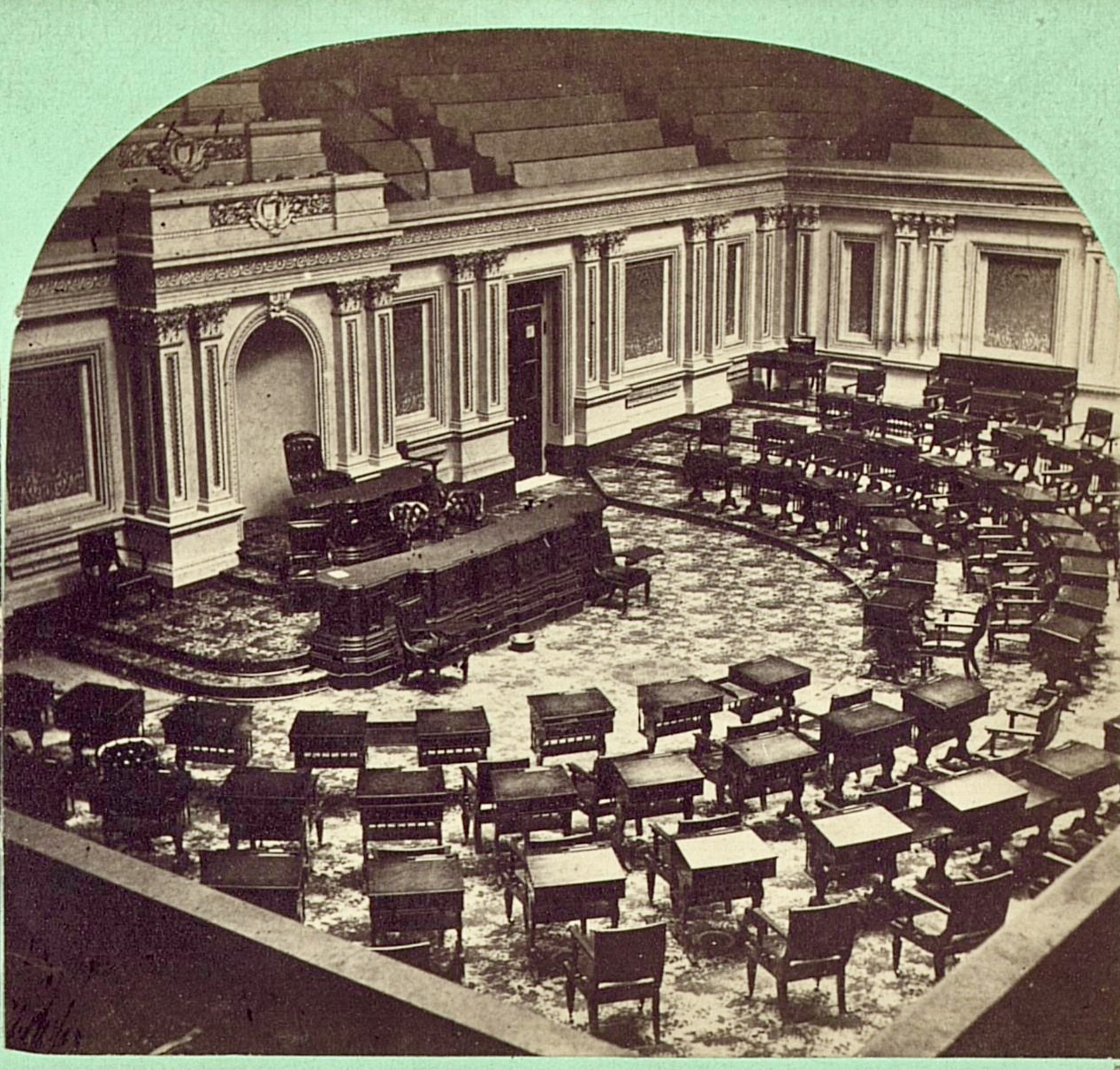
Rep. Mike Collins isn’t mincing words about what’s wrong with Washington—and his diagnosis should alarm every patriot watching good legislation vanish into the Senate’s procedural abyss. The Georgia congressman’s blunt assessment that the upper chamber has become a “black hole” where America First priorities “disappear” exposes the institutional rot that’s been frustrating voters for decades.
Collins’ critique cuts to the heart of our constitutional crisis. While House conservatives work overtime passing border security measures, energy independence bills, and economic reforms that would benefit working families, these initiatives routinely die in a Senate more concerned with preserving genteel traditions than delivering results. The 60-vote filibuster threshold—nowhere mentioned in our Constitution—has effectively neutered majority rule and handed veto power to a minority more interested in obstruction than governance.
“We send great legislation over there, and it just disappears,” Collins told Breitbart, articulating what millions of Americans have witnessed firsthand. This isn’t hyperbole—it’s mathematical reality. The current system allows 41 senators representing as little as 11% of the American population to block legislation supported by overwhelming majorities. That’s not democracy; it’s institutional capture by an elite class insulated from electoral consequences.
The congressman’s willingness to eliminate the filibuster reflects a growing recognition among constitutional conservatives that procedural niceties mean nothing when they prevent defending American interests. Collins understands what establishment Republicans refuse to acknowledge: the filibuster has become the globalist establishment’s most effective weapon against populist reform, creating a system where patriotic legislation dies not through democratic debate but through procedural suffocation.
His focus on budget reconciliation as a workaround demonstrates the tactical thinking America First legislators need to navigate institutional roadblocks. Collins correctly identifies reconciliation as the primary vehicle for codifying Trump’s executive orders into permanent law, ensuring that future administrations can’t simply reverse America’s return to constitutional governance with the stroke of a pen.
But Collins isn’t just diagnosing problems—he’s positioning himself to solve them. His potential Senate primary challenge against Jon Ossoff represents more than a single race; it’s a referendum on whether Georgians will tolerate continued legislative paralysis while their communities struggle with the consequences of open borders and economic stagnation. Ossoff’s record speaks for itself: a reliable vote for obstruction when America First priorities reach the Senate floor.
The economic implications of Senate dysfunction extend far beyond Washington. Every day that comprehensive border security legislation sits stalled, American workers face unfair wage competition from illegal immigration. Every week that energy independence measures gather dust, American families pay inflated prices at the pump while enriching hostile foreign regimes. Every month that regulatory reform bills disappear into the Senate’s procedural maze, American businesses struggle under bureaucratic burdens that their international competitors don’t face.
Collins’ analysis reveals how institutional inertia has become the establishment’s insurance policy against accountability. The current system allows senators to avoid tough votes while blaming “process,” insulating them from voter consequences while American communities suffer the real-world impact of delayed reforms. It’s a rigged game that benefits everyone except the American people.
The constitutional framework our founders designed demands majority rule with minority rights—not minority veto power over majority governance. The Senate was intended to provide stability and deliberation, not to serve as a graveyard for legislation that threatens establishment interests. Collins understands this distinction and possesses the backbone to act on it.
Patriots should watch whether more House conservatives follow Collins’ lead in directly challenging Senate obstructionists, particularly in purple states where America First energy can overcome establishment funding advantages. This growing movement toward institutional reform—combined with Trump’s renewed mandate—positions the coming years as a potential breakthrough moment when constitutional governance finally returns to Washington.
The choice facing Georgia voters couldn’t be clearer: continue enabling Senate dysfunction or elect someone committed to making the upper chamber work for America again.